
Residential Roofing Replacement in Portland: Step-by-Step Guide for Homeowners
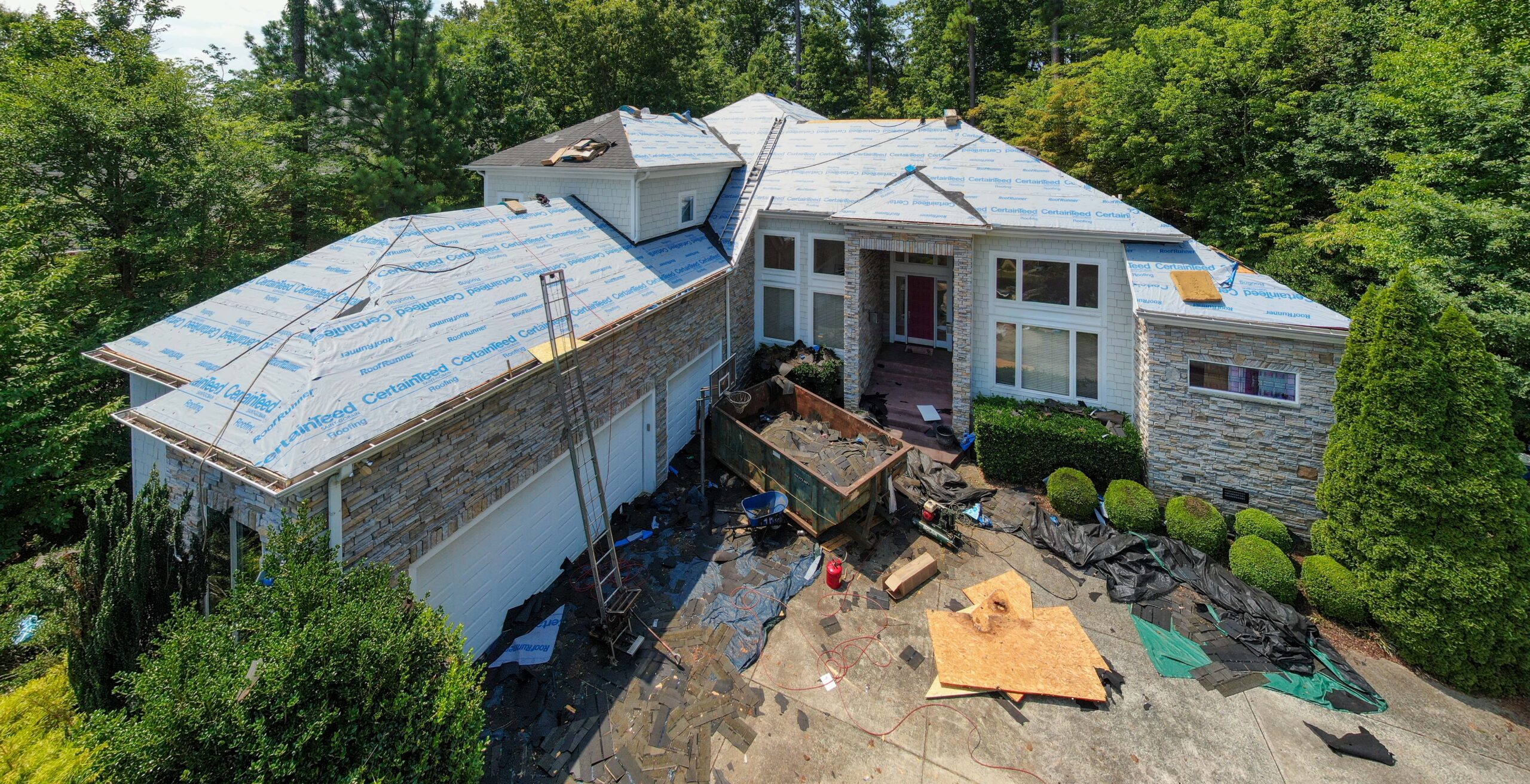
Residential roofing replacement in Portland involves a planned process that restores the strength and weather protection of a home’s roof system. You deal with constant rain, moisture buildup, and moss growth that can wear down roofing materials faster than in many other regions. Knowing when and how to replace a roof helps you avoid repeated repairs and unexpected damage inside your home.
Living Hope Roofing works with homeowners who need clear direction on residential roofing projects across Wilsonville and the greater Portland area. You get guidance from inspection through installation, with attention to material selection, removal of old roofing, and proper installation of new systems. Residential roofing often requires choices that match wet weather conditions and long-term durability goals. This guide walks you through each stage of roof replacement so you know what to expect before starting the project.
What Is Residential Roofing Replacement?
Residential roofing replacement removes existing roofing materials and installs a new system to restore protection and structural performance.
You start by stripping old roofing layers down to the roof deck. After that, new underlayment and surface materials are installed. This process rebuilds the system from the base layer upward. Residential roofing contractors manage each stage using a structured workflow that follows the condition of the roof.
When Replacement Becomes Necessary
Roof replacement becomes necessary when damage affects large areas or materials reach the end of their lifespan. You may notice repeated leaks in different sections of the home.
Shingles may curl, break, or detach more often. These patterns point to system-wide wear rather than isolated damage. Asphalt roofing systems commonly last 20–30 years, depending on exposure and maintenance history. At this stage, residential roofing companies often recommend replacement instead of repeated patchwork.
Difference Between Roof Repair and Roof Replacement
Roof repair fixes isolated damage, while roof replacement installs a completely new roofing system.
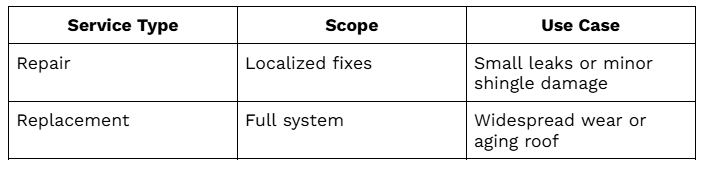
Residential roofing work includes both options, but each applies to different levels of damage and system condition.
Residential Roofing in Portland: Local Climate Factors
Portland’s weather patterns place steady pressure on roofing systems throughout the year. You deal with frequent rain, seasonal moisture, and shaded roof surfaces that influence material lifespan and maintenance needs. These conditions directly shape how residential roofing systems perform over time.
Impact of Rain and Moisture
Frequent rain increases the risk of leaks and material breakdown. You face consistent rainfall exposure in residential roofing in Portland conditions. Water repeatedly contacts shingles, flashing, and seams, which weakens protective layers over time. Small gaps allow moisture to enter beneath the surface, leading to interior staining and structural wear.
Portland receives over 35 inches of annual rainfall. This level of exposure keeps roofing materials in constant contact with moisture, which shortens service life if drainage systems are blocked or surface protection weakens.
Moss and Algae Growth Challenges
Moss and algae growth are common due to damp and shaded conditions. You often see moss forming on shaded roof sections, especially north-facing slopes. These growths attach to shingles and hold moisture against the surface.
Effects include:
Moisture retention on shingles
Faster surface wear
Shingle lifting or curling over time
Algae appears as dark streaks across roofing materials. While it starts as a surface issue, long-term growth can contribute to gradual material breakdown if not managed.
Importance of Proper Drainage and Ventilation
Proper drainage and ventilation control moisture and extend the roof’s lifespan. You rely on roof drainage and airflow systems to reduce moisture buildup and protect roofing materials.
Drainage and ventilation functions include:
Directing rainwater away from the roof edges
Preventing water pooling near seams
Reducing attic humidity levels
Limiting condensation on wood and insulation
Blocked gutters or poor airflow often lead to moisture accumulation and faster roofing wear. Balanced systems support more stable residential roofing performance across wet seasons.
Living Hope Roofing supports homeowners in Wilsonville and the Portland area by addressing climate-related roofing needs through inspection, material selection, and installation practices suited for wet-weather conditions.
Residential Roofing Contractors: Role in Roof Replacement
Residential roofing contractors manage the technical and physical stages of roof replacement from start to finish. You depend on their field experience to identify roof problems, select materials, and guide each phase of the work. Their role connects planning with on-site execution, which keeps residential roofing projects structured and consistent.
Inspection and Assessment Process
Contractors inspect roofing systems to identify damage and structural concerns. You can expect a full review that goes beyond surface shingles. Contractors examine flashing, valleys, gutters, and attic spaces to locate moisture entry points or weak sections.
Many roofing contractors also look for hidden issues such as soft decking or poor ventilation. These findings help determine whether repair work is enough or if full replacement matches the roof condition. You receive clear explanations so you understand the current state of your system before any work begins.
Material Selection Guidance
Contractors recommend materials based on climate, budget, and durability. You are guided through options that match your home’s structure and weather exposure. Each material carries a different lifespan, maintenance needs, and performance levels.
In Portland, constant rain and moss growth influence material selection. Contractors often suggest shingles or systems designed to resist moisture and biological growth. You also receive input on color, thickness, and warranty coverage.
Project Planning and Execution
Contractors plan timelines, labor, and installation steps for roof replacement. You get a clear schedule that outlines material delivery, crew coordination, and work phases.
Residential roofing companies rely on this stage to maintain a steady workflow and reduce delays. Each step follows a set order from removal to final inspection.
Step-by-Step Residential Roofing Replacement Process
Residential roofing replacement follows a clear sequence that moves from evaluation to completion. Each stage builds on the previous one, so you know what happens and why each step matters for your home.
Step 1: Initial Inspection and Evaluation
The process begins with a full inspection of the roof and attic. You start with a detailed review of the roof surface, flashing, gutters, and attic space. This step helps identify leaks, weakened shingles, ventilation concerns, and moisture patterns that affect long-term performance.
This step identifies damage and defines the project scope for residential roofing contractors.
You also get clarity on the work required, which allows contractors to map out the right approach for your property.
Step 2: Detailed Estimate and Project Planning
A written estimate outlines materials, costs, and the project timeline. You receive a breakdown that includes material choices, labor requirements, and scheduling details. This helps you see how each part of the project fits together before work begins.
Homeowners receive a clear breakdown of labor, materials, and expected completion stages.
This stage also gives you a reference point for scope, so you understand what will be done and in what order.
Step 3: Material Selection
Homeowners choose roofing materials based on durability and cost. You review options such as asphalt shingles and metal roofing, each offering different lifespans and performance traits. Options commonly used by residential roofing companies include asphalt shingles and metal roofing systems.
This step connects directly to residential roofing in Portland, since moisture levels and seasonal rainfall influence which materials perform better over time.
Step 4: Roof Removal
Old roofing materials are removed to prepare for installation. You see the existing system taken down layer by layer, which clears the surface for rebuilding.
Removal of Old Materials
Existing shingles and underlayment are removed. This exposes the roof deck and allows a closer look at the structure beneath the surface. This exposes the roof deck for inspection and preparation.
Deck Inspection
The roof deck is checked for structural damage. Any weakened wood, rot, or soft spots are identified during this stage. Any damaged sections are replaced before the new installation begins.
This step sets a solid foundation for the new roofing system.
Step 5: Installation of New Roofing System
New materials are installed to restore the roof’s performance. Once preparation is complete, installation begins with layered protection that builds durability.
Underlayment Installation
Underlayment provides a moisture barrier beneath roofing materials. This layer sits directly on the roof deck and helps reduce water intrusion. It adds protection against water intrusion, especially in Portland environments. This step plays a major role in handling frequent rainfall and moisture exposure.
Shingle or Metal Placement
Final roofing materials are installed over the underlayment. You see shingles or metal panels placed in structured rows to form the outer protective surface. Proper placement supports durability and long-term performance. Each section is aligned and secured to match the manufacturer’s installation standards.
Step 6: Final Inspection and Cleanup
The project ends with inspection and site cleanup. A final review checks installation quality, alignment, and surface consistency. Contractors also remove leftover materials, nails, and debris from the property so the site is left clean and safe.
At Living Hope Roofing, we follow each step with structured execution that supports long-term roofing performance and material reliability across residential roofing projects.
Roofing Materials for Residential Roofing Replacement
Choosing roofing materials shapes how your roof performs over time. You deal with different weather conditions, budget limits, and maintenance needs that influence this decision. This makes material selection a practical step in the replacement process.
Material Comparison Overview
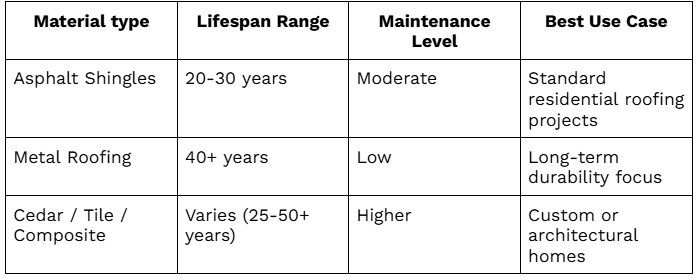
Living Hope Roofing works with homeowners to match material selection with roof structure, weather exposure, and long-term project goals across Portland.
Cost Factors in Residential Roofing Replacement
Roof replacement costs vary based on structure, materials, and labor requirements. You plan better when you understand what influences pricing before starting a residential roofing project. Pricing reflects site conditions, material selection, and work needed for installation.
Roof Size and Complexity
Larger and more complex roofs increase project cost. You pay more as the roof size increases because materials and labor scale with square footage. A larger roof requires more shingles, underlayment, and installation time.
Steep slopes also raise difficulty levels. Roofers move more slowly and use added safety equipment on angled surfaces. Homes with valleys, dormers, and multiple sections take longer since each transition point requires precise installation work. These design features increase labor hours and coordination needs across the project.
Material Type
Material selection directly affects total cost. Different roofing materials carry different price ranges. Asphalt shingles usually cost less, while metal and specialty materials raise overall expenses.
Higher-grade materials often last longer under local conditions. For roofing in Portland, moisture resistance matters due to frequent rain and moss exposure. You may spend more upfront for materials that perform better in wet environments. Each material choice changes both supply cost and installation requirements.
Labor and Project Scope
Labor costs depend on project size and installation requirements. Labor charges rise with complexity. A straightforward roof replacement takes fewer hours than a project involving structural damage.
Extensive issues increase preparation work. Contractors may replace decking, adjust flashing, or improve ventilation before installation begins. Each added task increases labor time and expands project scope, which affects total pricing.
Why Choose Living Hope Roofing
You need a roofing partner who understands how residential roofing performs in Portland’s wet and variable weather conditions. You also need clear direction from inspection to completion so your roof replacement stays organized and predictable.
Experience in Residential Roofing in Portland
Living Hope Roofing, based in Wilsonville, OR, has completed hundreds of residential roofing projects in Portland. You work with a team that has handled many roof types across different home styles. Each project adds practical knowledge of weather patterns, material behavior, and structural conditions found in Portland. This background helps reduce delays and supports accurate recommendations based on real job experience rather than general assumptions.
Quality Materials and Workmanship
High-quality materials and skilled installation improve roof performance. You receive materials selected for long-term exposure to rain, wind, and moisture common in Portland homes. Each product choice focuses on durability, water resistance, and compatibility with existing roof systems. Skilled installation from our team supports proper alignment, secure fastening, and layered protection that helps the roof handle seasonal changes and long-term wear.
Clear Communication and Project Transparency
Clear communication provides homeowners with project visibility. You receive structured updates from inspection through completion. Written estimates outline scope, materials, and project stages in a clear format. This reduces confusion and keeps the project aligned with the agreed plan.
Get Started with Expert Residential Roofing Support in Portland
Ready to protect your home with professional residential roofing services? Living Hope Roofing provides trusted solutions for residential roofing in Portland, guiding you from inspection to installation with clarity and care. Contact our team today for reliable support and scheduling.
To learn more or schedule a consultation, call us at (503) 713-1837 or [email protected]. Our team is ready to assist with reliable services, estimates, and project planning across Portland and nearby areas.