
How Commercial Roofing Installation Impacts Property Value and Safety
A commercial roof directly affects how your property performs, how it is valued, and how safely it operates every day. As a business owner or property manager, you need roofing systems that support structural stability and protect your investment over time. Working with a trusted commercial roofing installation company like Living Hope Roofing gives you access to experienced professionals who understand the demands of commercial buildings in Portland, OR.
You also face risks such as water intrusion, material wear, and drainage issues, especially with flat roofing systems. That is where commercial flat roof repair plays a key role in maintaining performance and preventing costly damage. In this article, you will learn how proper roofing installation and maintenance influence property value and building safety, along with what to expect from professional commercial roofers like us.
What Commercial Roofing Installation Means for Business Properties
Commercial roofing installation is the process of designing and installing roofing systems for business buildings using structured methods and selected materials. Installation follows specific methods to support long-term performance. Each stage plays a role in reducing exposure to moisture, wind, and gradual material wear.
Role of Commercial Roofers in Building Protection
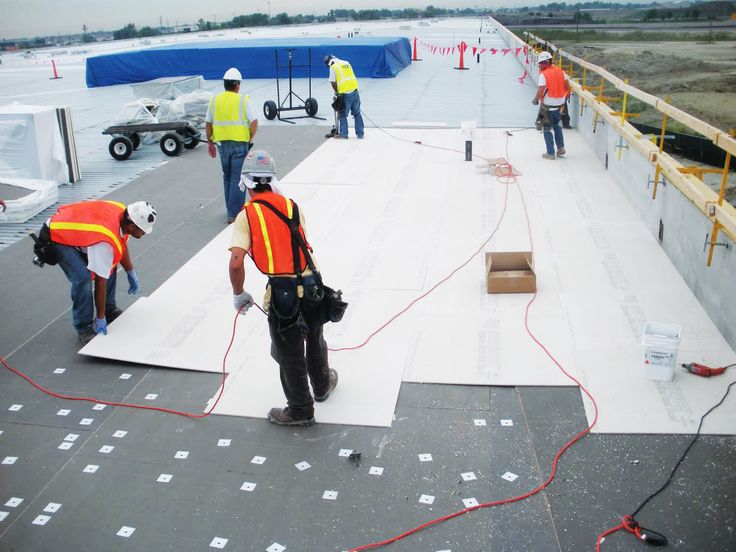
Commercial roofers install and maintain roofing systems that protect business buildings from water intrusion, wind exposure, and structural deterioration. You depend on their experience when working with large roofing surfaces. These systems require careful handling, accurate measurements, and consistent safety practices.
Commercial roofers typically handle:
Installation of new commercial roofing systems
Replacement of worn roofing materials
Leak detection and repair work
Scheduled roof inspections
Each task supports the condition of your roof over time. Regular inspections help identify early signs of damage. Repair work addresses weak points before they expand. Material replacement helps maintain structural stability. These combined efforts reduce risks linked to heavy rain, storms, and long-term exposure.
Key Systems Used in Commercial Roofing Installation
You choose roofing systems based on how your building operates and the type of exposure it faces. Each system offers different strengths related to durability, maintenance, and weather resistance.
Flat Roofing Systems
Flat roofing systems are widely used in commercial buildings due to their simple layout and efficient use of space. You often see flat roofs on office buildings and retail spaces. Their design allows easier access for inspections, repairs, and placement of rooftop equipment such as HVAC systems.
Metal Roofing Systems
Metal roofing systems provide strong resistance to wind, rain, and long-term wear. You benefit from a longer service life with this option. Metal roofs are common in warehouses and industrial buildings where durability and low maintenance needs are priorities.
Green Roofing Systems
Green roofing systems include vegetation layers that support temperature control and stormwater absorption. You may choose this system if your property focuses on environmental performance. It helps manage rainwater and can support better temperature regulation within the building.
How Commercial Roofing Installation Affects Property Value
Commercial roofing installation affects property value by improving structural condition and reducing future repair requirements. A properly installed roof improves building inspection results and supports a stronger market perception.
Structural Condition and Market Value
A sound roofing system supports a higher property value by improving the overall building condition. You strengthen your property’s position by maintaining a stable roof that protects decking, insulation, and interior spaces from damage.
Properties with newer roofing systems often show fewer structural concerns during evaluations. This lowers inspection issues and supports stronger buyer confidence. Investors compare visible condition and repair history, and a stable roof helps your property stand out.
Buyer Confidence in Roof Condition
A properly installed roof increases buyer confidence during property transactions. You present a lower-risk investment when your roof shows consistent performance and minimal repair history. Buyers often review inspection reports before completing a purchase, and roofing condition remains a key factor in those evaluations.
Roof condition also influences pricing decisions in commercial real estate. Visible damage, active leaks, or drainage issues can lead to price reductions or delays. A well-maintained roof supports smoother negotiations and fewer concerns during due diligence.
Long-Term Maintenance Costs and Value Perception
Lower repair frequency improves how buyers and investors view property value. You reduce operational concerns by maintaining a roofing system that requires fewer repairs. Frequent repairs often signal underlying issues that may affect long-term performance.
Reduced maintenance needs often translate into lower long-term operating costs for property owners. Buyers consider these costs when evaluating total property expenses. Lower expected repair costs can improve how your property is priced and perceived in competitive markets.
Safety Benefits of Proper Commercial Roofing Installation
Proper commercial roofing installation supports building safety by reducing exposure to leaks, wind damage, and structural stress.
Protection Against Water Damage and Leaks
A correctly installed roof reduces water intrusion that can damage interiors, insulation, and equipment. Water often enters through weak seams, poor flashing, or worn surfaces, then spreads across ceilings, walls, and electrical systems, affecting daily operations and interior conditions.
Moisture-related issues account for a large portion of building envelope failures in commercial properties. You reduce these risks by working with professionals who install sealed layers, secure flashing points, and controlled drainage paths, helping limit hidden leaks and long-term structural damage.
Wind and Weather Resistance
Commercial roofing systems are built to handle strong winds, heavy rain, and seasonal weather changes. You rely on proper installation to keep materials secure and prevent water from entering weak points across the roof surface.
In Portland, OR, steady rainfall places constant stress on roofing systems. Modern roofs use layered designs, secure fastening, and edge protection to improve resistance against wind uplift and water penetration over time.
Fire and Structural Safety Considerations
Certain roofing materials improve fire resistance and structural stability. Fire-rated systems slow flame spread and limit damage during emergencies. This added protection helps safeguard both the building structure and occupants during high-risk situations involving heat and fire exposure.
Metal roofing systems offer strong resistance to heat and external conditions. They do not ignite easily and retain their shape under high temperatures. You also reduce structural risk by using roofing systems that distribute weight evenly, preventing stress points that can weaken the building over time.
Role of a Commercial Roofing Installation Company
A commercial roofing installation company manages planning, material selection, installation, and roofing system coordination for business properties. You work with a team that evaluates your building layout, identifies exposure risks, and prepares a structured approach to installation. This process supports consistent performance across the entire roofing system and reduces avoidable issues during and after the project.
Planning and System Selection
A roofing company selects roofing systems based on building structure, usage type, and environmental exposure.
During planning, the contractor reviews:
Roof size and slope
Load requirements
Climate conditions in Portland, OR
Drainage design
You receive recommendations that align with your building’s physical demands. This step connects directly to installation quality and long-term performance.
Installation Quality and Building Compliance
Proper installation follows local building codes and safety standards.
Professional roofers follow:
Oregon building codes
Safety regulations for commercial projects
Manufacturer specifications for materials
This approach reduces the risk of early damage, inspection delays, and repair costs after installation.
Long-Term Roof Performance Management
Roofing companies provide maintenance planning that supports an extended roof lifespan.
Maintenance plans often include:
Scheduled inspections
Minor repairs before damage spreads
Drainage checks
Surface condition monitoring
You gain better control over repair timing and costs. At the section level, Living Hope Roofing applies structured planning, installation discipline, and maintenance support to help commercial properties maintain consistent roof performance.
Commercial Flat Roof Repair and Its Impact on Safety
Commercial flat roof repair restores damaged areas and helps maintain structural safety and water resistance. Flat roofs often require maintenance due to drainage limitations and surface exposure.
Common Flat Roof Issues
Flat roofs develop problems over time due to repeated exposure to rain and standing water. You may notice early warning signs that point to deeper surface or drainage concerns.
Standing water due to drainage limitations
Surface membrane cracks
Blocked drainage systems
Weather-related surface wear
These issues build up gradually. Water that sits on the surface adds weight and weakens roofing layers. Small cracks can expand with temperature shifts, allowing moisture to enter the structure. Blocked drains restrict water flow, which increases pressure on the roof surface. If you leave these problems unaddressed, they can lead to interior leaks, insulation damage, and higher repair costs.
Repair Methods Used by Commercial Roofers
Commercial roofers use sealing, patching, and membrane restoration techniques to repair flat roofs. These methods restore surface integrity and reduce leak risks.
You will see different repair approaches depending on the type and extent of damage. Sealing targets small gaps and seams where water enters. Patching covers damaged sections of the membrane to stop further spread. Membrane restoration reinforces larger areas that show wear or thinning.
Each method focuses on stabilizing the roof surface and extending its usable life. Proper repair work also supports consistent drainage, which reduces the chances of standing water returning.
Preventing Business Disruptions Through Maintenance
Routine maintenance reduces the risk of unexpected roofing failures. Early repairs help avoid downtime and interior damage.
You rely on your building to operate without interruption. Regular inspections help you catch minor issues before they turn into major repairs. Maintenance crews check drainage systems, surface condition, and weak points across the roof.
If problems are identified early, repair work can be scheduled without affecting daily operations. This approach helps you avoid sudden leaks, equipment damage, and temporary shutdowns.
Why Businesses Choose Professional Commercial Roofers
Businesses rely on professional commercial roofers to reduce risk and improve roofing system reliability.
Experience With Large-Scale Roofing Systems
Experienced roofers understand installation methods for large commercial roof structures. You work with wide surface areas, heavy materials, and complex layouts that require detailed planning and precise execution at every stage.
Professionals with hands-on experience manage these conditions using proven installation methods. They focus on structural balance and proper alignment, which helps reduce installation errors and supports stable, long-lasting roofing systems.
Material Knowledge and Installation Accuracy
Correct material selection improves roof durability and performance under varying weather conditions. You cannot treat every roofing material the same, as each system responds differently to rain, temperature shifts, and long-term exposure.
Professional commercial roofers evaluate your building needs and select suitable materials. They install each component with precision, which affects long-term performance. Roofing systems respond differently to moisture, heat, and wind exposure over time.
Risk Reduction and Safety Compliance
Professional roofing work follows safety guidelines and building regulations. You are responsible for meeting local codes and maintaining a safe environment for occupants and workers. Projects that fall short of standards can lead to penalties and operational disruptions.
Experienced roofers follow established safety procedures and comply with regulations throughout the project. This approach lowers the chance of accidents and supports proper documentation, helping reduce liability risks for property owners.
Professional commercial roofers bring structured processes, material expertise, and compliance-focused work to every project. At Living Hope Roofing, we apply these standards to support stable, long-lasting commercial roofing systems.
How Living Hope Roofing Supports Commercial Properties
Living Hope Roofing, based in Wilsonville, OR, works with business owners and property managers to support roofing systems through installation, repair, and ongoing maintenance services tailored for commercial structures.
Commercial Roofing Installation Services
We install roofing systems designed for commercial buildings based on structure and performance needs. You receive roofing solutions that align with your building’s layout, size, and daily function. Every project begins with a review of the roof structure, drainage points, and material requirements. This step helps match the system with long-term performance expectations and site conditions.
Each installation follows planned steps from material selection to final inspection. You go through a structured process that includes surface preparation, installation sequencing, and finishing checks. These steps help reduce gaps in workmanship and support steady roof performance under changing weather conditions.
Commercial Flat Roof Repair Services
Flat roof repair services address leaks, drainage issues, and surface damage. You often see flat roof problems develop from standing water, membrane wear, or blocked drainage lines. These issues can spread into interior areas if left untreated.
Repair work focuses on restoring roof function and reducing future deterioration. You receive targeted repair methods such as sealing damaged sections, reinforcing weak areas, and clearing drainage paths. This approach helps extend the usable condition of the roof and limits repeated issues that disrupt building operations.
Maintenance and Inspection Programs
Routine inspections help identify early roof issues before they develop into major repairs. You benefit from scheduled checks that review surface condition, drainage flow, and material wear. These inspections help you catch small issues before they expand into larger structural concerns.
This supports a longer roof lifespan and stable building performance. You maintain better control over repair costs and building downtime through consistent monitoring. Regular maintenance work keeps the roofing system aligned with daily building demands and seasonal weather changes.
Get Professional Help for Your Commercial Roof Today
Your commercial roof plays a direct role in property value, safety, and long-term performance. If you need support with installation, repairs, or ongoing maintenance, working with a skilled team helps you stay ahead of costly roofing issues.
Contact Living Hope Roofing for commercial roofing installation and commercial flat roof repair services in Portland, OR. Call us at (503) 713-1837 or [email protected] to schedule a consultation or request service details.